The Plant-Based Paradox: Why Not All Veggie Diets Are Created Equal for Your Heart

For years, we’ve heard the chorus: “Eat more plants for a healthier heart!” And largely, that advice holds true. Numerous studies have championed the benefits of plant-forward eating patterns in reducing the risk of cardiovascular disease. But a recent study from the robust NutriNet-Santé cohort in France has introduced a crucial nuance, revealing that the type of plant-based diet matters — a lot. Simply going “plant-based” might not be enough if your plate is piled high with highly processed foods.
Can Diet Really Reverse Heart Disease?

A Practical, Evidence-Based Q&A Inspired by the Ornish Debate
Introduction: Why This Question Won’t Go Away
Dean Ornish has claimed for decades that intensive lifestyle change—especially an almost-vegan, very low-fat diet—can not only prevent but actually reverse heart disease.
Q&A: Can Your Love for Red Meat Be Dangerous?

Neu5Gc, Plant-Based Protection, and Atherosclerotic Heart Disease
Q1. What is Neu5Gc, and why is it linked to heart disease?
Neu5Gc (N-glycolylneuraminic acid) is a type of sialic acid found on the cells of most mammals—meaning it is present in red meat (beef, pork, lamb). Humans, however, cannot make Neu5Gc because of a mutation in the CMAH gene that occurred after our lineage split from great apes.
Q&A: Atrial Fibrillation, Endurance Training, and Ablation — What Athletes Need to Know

Q: Are endurance athletes really at higher risk for atrial fibrillation?
A: Yes. Atrial fibrillation (AF) is common in the general population, with a lifetime risk of roughly 1 in 4 adults.¹ While moderate exercise protects cardiovascular health, long-term, high-volume endurance training is associated with significantly higher AF rates. Meta-analyses show endurance athletes have about 2.5–3.6× higher odds of AF than non-athletes.
Cardiovascular Risk Management and Training Modification for the Masters Athlete (50+) with Treated Atrial Fibrillation: An Expert Report
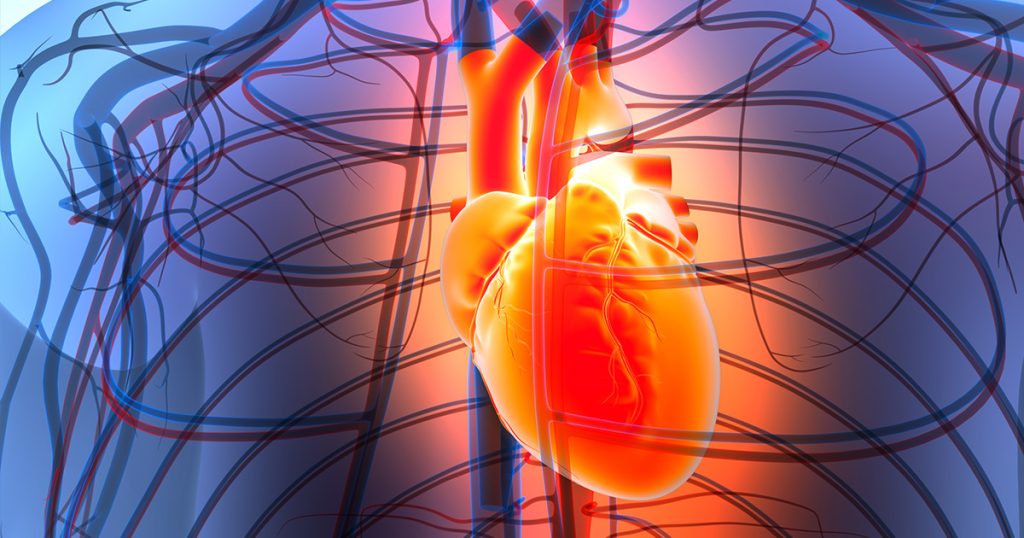
Executive Summary: The Necessity of Training Modification
The management of Atrial Fibrillation (Afib) in the Masters athlete (defined generally as age 35 and above, and specifically in this context as 50+) presents a critical challenge that necessitates a nuanced shift in training philosophy. While chronic endurance training offers broad cardiovascular benefits, it is fundamentally a dose-dependent risk factor for atrial arrhythmias. For an athlete who has undergone treatment (ablation or pharmacological therapy) for Afib, continuing intense, high-volume training carries a substantial probability of arrhythmia recurrence and disease progression.