The Athlete’s Aorta: Healthy Heart or Hidden Time Bomb?
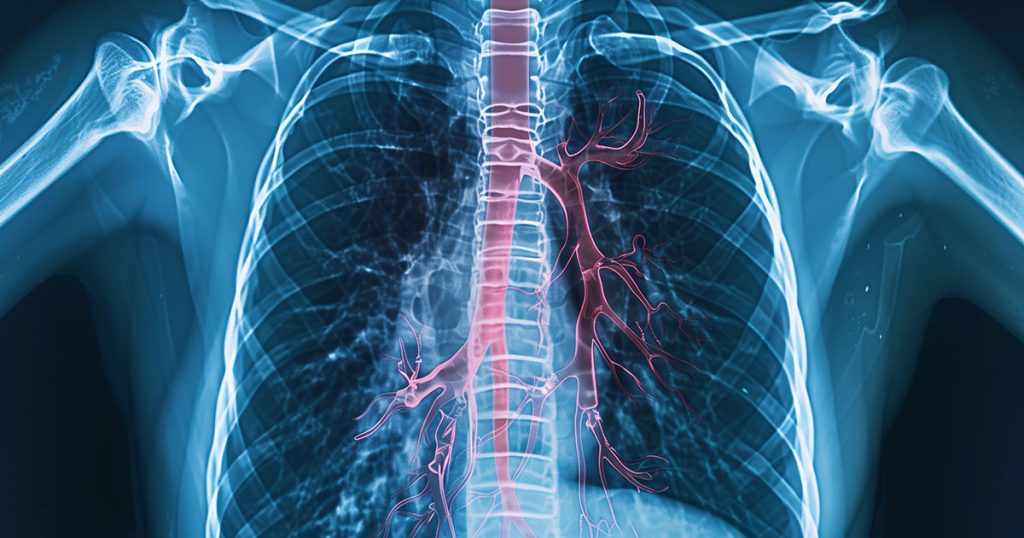
Imagine your body is a giant, bustling city. For the city to work, it needs one massive main water pipe to carry energy and supplies to every single house. In your body, that “water main” is a giant tube called the aorta. Doctors call it the “Great Vessel” because it is the biggest and most important power line in your system.
Peak Fitness, Hidden Calcium: The Athlete’s Paradox of Plaque Buildup

For decades, doctors and runners shared a comfortable belief: if you ran marathons, your heart was bulletproof. This was known as the “Bassler hypothesis,” the idea that finishing a 26-mile race gave you a “get out of jail free” card against heart disease. However, as modern heart scans improved, doctors were met with a shock. The very people who were the fittest on the planet—lifelong marathoners and cyclists—often showed more “rust” or buildup in their heart pipes (arteries) than people who sat on the couch.
You Feel Fine – That’s the Problem

If you woke up tomorrow and saw a strange mole on your skin or felt a painful lump in your neck, you probably wouldn’t ignore it. You would look at it, worry about it, and most likely call a doctor. That reaction is completely natural. As humans, we are wired to respond to things we can see and feel. Visible problems grab our attention and create urgency.
Cholesterol: What Is It Good For?

For decades, we have been conditioned to view heart disease as a sudden catastrophe—a cardiac “lightning strike” that occurs in the sixth or seventh decade of life. In reality, atherosclerotic cardiovascular disease is a lifelong biological process, a silent passenger that boards the vessel in our youth. Despite mountains of “low-fat” dietary advice, heart disease remains the global leader in mortality.
Can Good Genes Beat Bad Lipids?

Understanding Your Heart: High Cholesterol and Your Family History. The Big Picture: How Your Heart Stays Healthy. Think of your heart as the most important pump in your home, and your arteries as the “pipes” that carry life-sustaining blood to every room in your body. For the pump to work perfectly, those pipes need to stay clear and open.