The Big Cholesterol Lie, Part 2
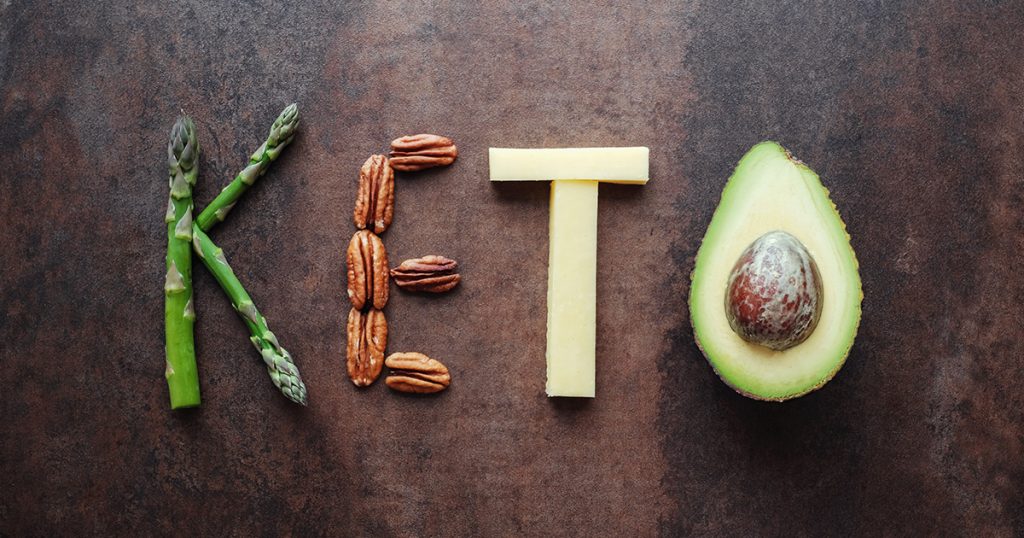
Imagine you have just started a new way of eating. You have cut out bread, pasta, and sugar. Instead, you are eating more healthy fats, like steak, eggs, and butter. You feel better than you have in years. Your “sugar levels” are great, your blood pressure is low, and you have plenty of energy. In your mind, you are “metabolically perfect.” This means your body is doing a great job of handling energy and keeping you fit.
The Only Diet Proven to Shrink Arterial Plaque (It’s Not Mediterranean!)

For a long time, most doctors and patients believed that heart disease was a one-way street. Once your arteries started to clog up with plaque , the goal was simply to slow down the decline. We treated it like a rust problem on an old car—you can’t really get rid of the rust; you just try to paint over it or keep it from spreading too fast. It felt like an unstoppable force of aging.But what if heart disease wasn’t a life sentence? Imagine your arteries are like a garden hose .
Why Your ‘Normal’ Cholesterol is Actually a Warning Sign
For decades, we have been told that a “normal” cholesterol level is the golden ticket to a healthy heart. But modern science has revealed a startling truth: what we once called “normal” was never actually healthy. In the 1960s, a total cholesterol level of 240 mg/dL was considered a standard, acceptable baseline for an adult. Today, a doctor would view that same number as an urgent health crisis.
The Heart Test Your Doctor Isn’t Ordering

A Coronary Artery Calcium (CAC) scan is a quick, painless CT scan — no dye required — that measures the amount of calcified, hardened plaque in the arteries around your heart. The result is your CAC score.
Why Belly Fat Is More Dangerous Than You Think
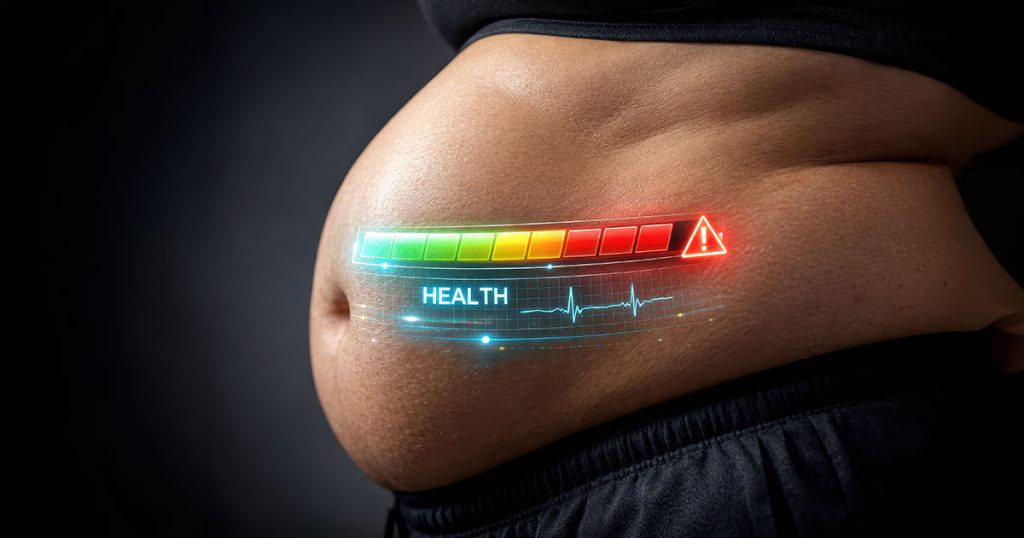
Not all fat is the same — and where your body stores it turns out to matter a lot more than how much you weigh. Have you ever noticed that two people can weigh exactly the same and be completely different when it comes to their health? That’s because weight alone doesn’t tell the whole story. Scientists have discovered that where your body stores fat is what really matters — and fat stored deep in your belly, called visceral fat, is in a league of its own when it comes to health risks.