Integrative Dynamics of Apolipoprotein B, Lipoprotein(a), and C-Reactive Protein in Atherosclerotic Progression
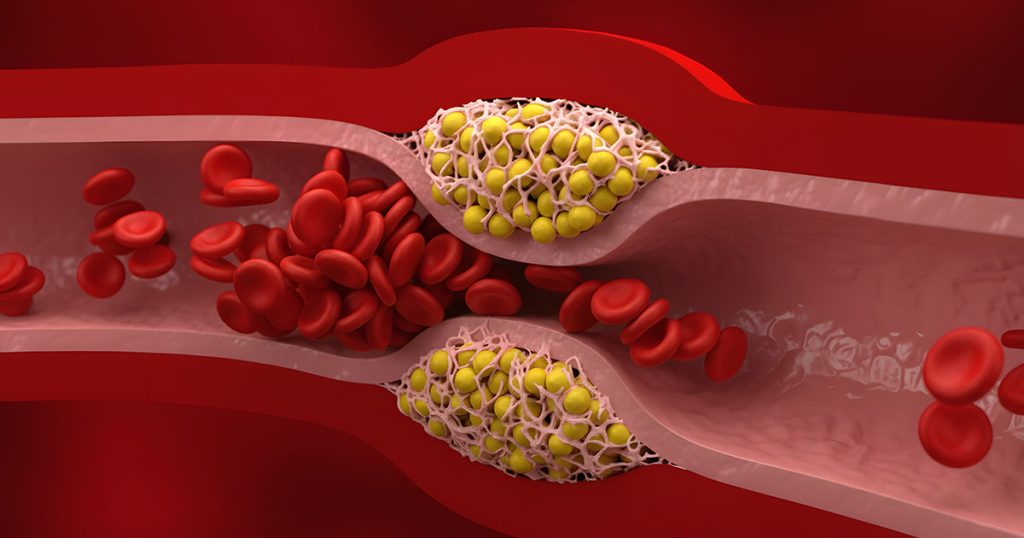
How we think about cardiovascular risk has changed a lot. We used to focus on total cholesterol and later LDL cholesterol (LDL-C) as the main villains. Now, the picture is more precise: risk is driven by how many atherogenic particles are circulating, which genetically “high-risk” particles are present, and how much inflammation is active in the vessel wall. At the heart of this newer view is a practical triad of biomarkers: apolipoprotein B-100 (ApoB), which counts the number of atherogenic lipoprotein particles; lipoprotein(a) [Lp(a)], a mostly inherited LDL-like particle with added thrombotic risk; and high-sensitivity C-reactive protein (hsCRP), a marker that tracks systemic and vascular inflammation.
Pathophysiological Determinants of Atherosclerotic Regression: The Criticality of Ultra-Low-Fat Whole-Food Plant-Based Nutritional Protocols

Introduction: Challenging the Paradigm of Permanent Progression
The management of coronary artery disease (CAD) has traditionally been viewed through the lens of “risk management.” In this paradigm, pharmacological interventions such as statins and procedural approaches such as Percutaneous Coronary Intervention (PCI) or Coronary Artery Bypass Grafting (CABG) are deployed to slow the expected progression of disease. However, these approaches primarily address late-stage manifestations—the “downstream” consequences—rather than the “upstream” cellular and molecular drivers of plaque formation and instability.
Peter Megdal on The Lynchpin Podcast

Listen to The Lynchpin Podcast with Nora
The Hour That Would Not End

The heat inside the velodrome rose like a living thing, swelling from seventy-five to eighty degrees Fahrenheit as the desert afternoon pressed against the curved walls. From beneath the wooden track came the faint, steady breathing of the air-handling system—a mechanical sigh under the foundation that vibrated faintly through the frame of my bicycle. Six thousand feet above sea level, in the thin air of Aguascalientes, Mexico, I began to ride.
Inflammation, Lipoproteins, and the End of the LDL-Centric Era

For decades, preventive cardiology has been anchored by a single, powerful concept: the “lipid hypothesis.” We operated under the assumption that cholesterol accumulation—specifically LDL-C—was the primary driver of atherosclerotic cardiovascular disease. The clinical directive was straightforward: push LDL-C down, and heart attack risk will follow. While this approach, largely driven by statin therapy, has undeniably saved millions of lives, we now know it is an incomplete strategy.