Heart Disease and Fish Oil
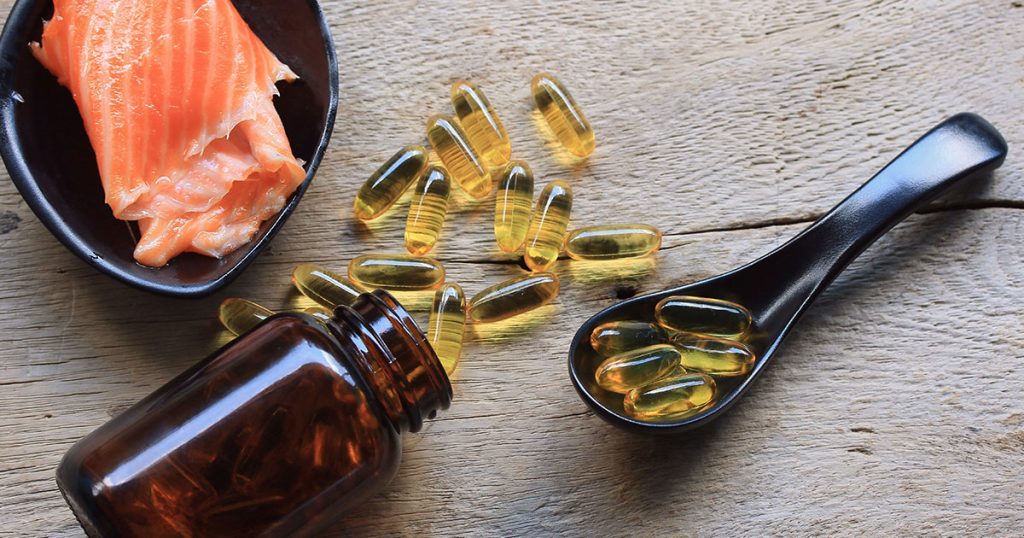
Heart Disease and The Fish-Oil Confusion, the Vascepa Controversy, and What the Evidence Actually Shows
For decades, cardiovascular medicine has been dominated by a single, often misunderstood narrative: “Fish oil is good for your heart.” This belief has become so culturally entrenched that it blurs the line between evidence-based cardiology and retail wellness, leading millions of people to consume omega-3 supplements daily in the hope of reducing cardiovascular risk.
LDL “BAD” Cholesterol: Apolipoprotein B, Imaging Resolution, and the Illusion of “Normal” Coronary Arteries at Age 60
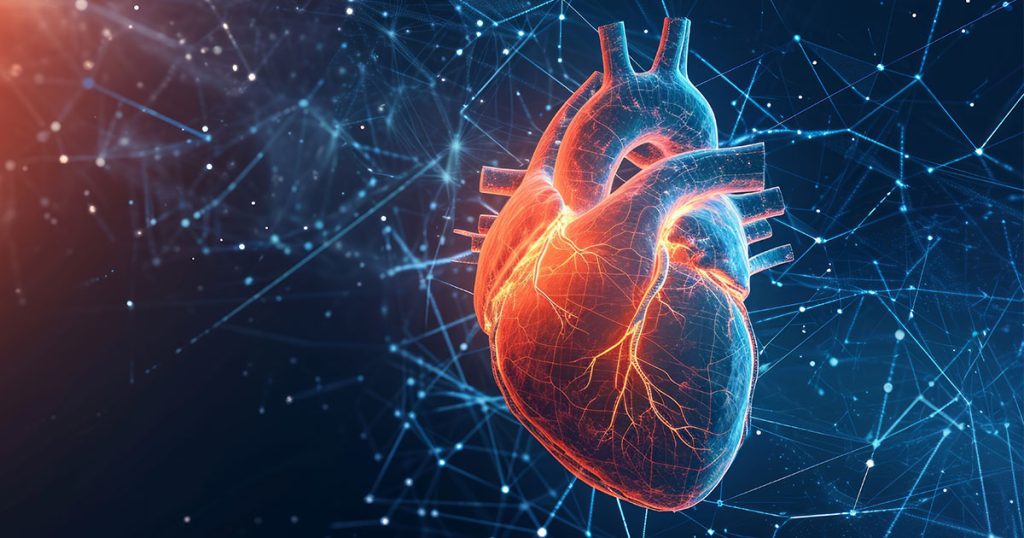
Apolipoprotein B, Imaging Resolution, and the Illusion of “Normal” Coronary Arteries at Age 60. The clinical assertion that individuals maintaining markedly elevated levels of low-density lipoprotein cholesterol (LDL-C) and apolipoprotein B (ApoB) can possess anatomically “normal” coronary arteries at age 60 represents a diagnostic paradox.
Cholesterol for Athletes: How to Lower LDL Without Losing Your Edge (A Practical Guide to Statins)

If you’re an endurance athlete, you’ve probably had this moment: your fitness is undeniable—resting heart rate is low, VO₂ is high, your training log looks like a work of art—and then a blood test shows LDL (“bad cholesterol”) is higher than expected.
That can feel unfair. It can also trigger a very specific fear:
“If I take a statin, will I lose performance?”
The Future of Heart Disease Management

Cardiovascular medicine is undergoing a substantive paradigm shift, moving from a predominantly reactive, symptom-driven model toward a preventive framework grounded in early detection and individualized risk assessment. At the center of this transition is the integration of artificial intelligence (AI) with coronary computed tomography angiography (CCTA), particularly through the development of atherosclerosis imaging–quantitative computed tomography (AI-QCT).
Cholesterol: How Low is Too Low?
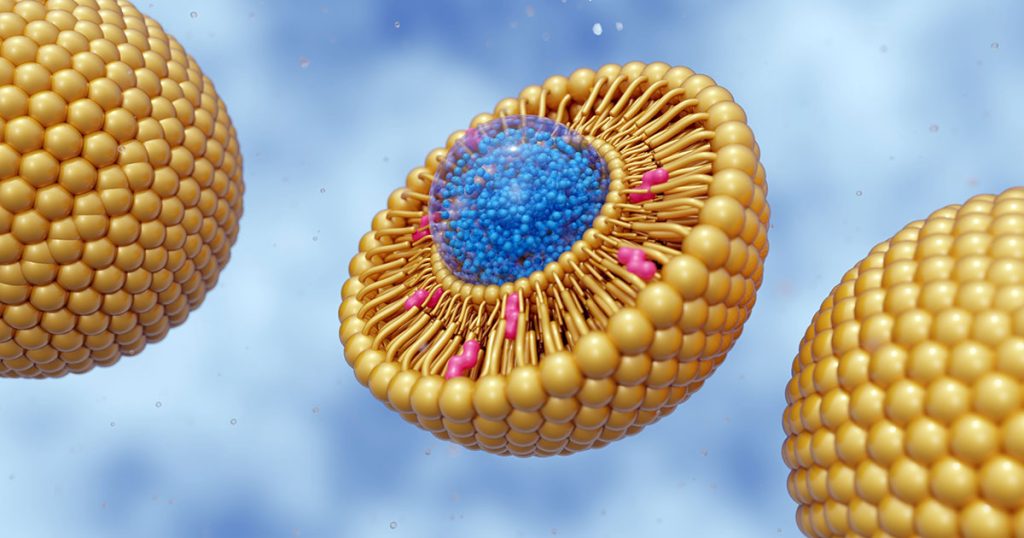
Can LDL Be Too Low? What PCSK9 Inhibitors Mean for Brain Health
PCSK9 inhibitors are among the most powerful cholesterol-lowering treatments available. They can lower LDL (“bad cholesterol”) by 50–60% or more—and in some cases drive LDL below 20 mg/dL.
That’s an incredible tool for preventing heart attacks and strokes. But it also raises a fair question: If the brain needs cholesterol, could LDL get “too low” and increase the risk of Alzheimer’s or dementia?