The Myth of Coconut Oil as a Health Food: How Industry Influences What You Eat!

Coconut oil has been transformed from a traditional cooking fat into a modern “superfood,” marketed as a cure-all for weight loss, metabolism, thyroid health, and even heart protection. At the same time, the global coconut oil industry is booming, projected to reach well over $10 billion within the next decade.
Stop Wasting Away as You Age…the Emerging Science of Antiaging!

Most people think there’s one perfect diet for a long life. But emerging science suggests something far more interesting: the rules of healthy eating actually change as we age. What protects you at 45 may not protect you at 85. Longevity isn’t about sticking to the same nutrition plan forever — it’s about adapting to your body’s shifting biology. And according to new research, age 65 appears to be a major turning point.
Double-Dosed: Is Your Family Tree a Bio-Hazard? Here’s the Life-Saving Information
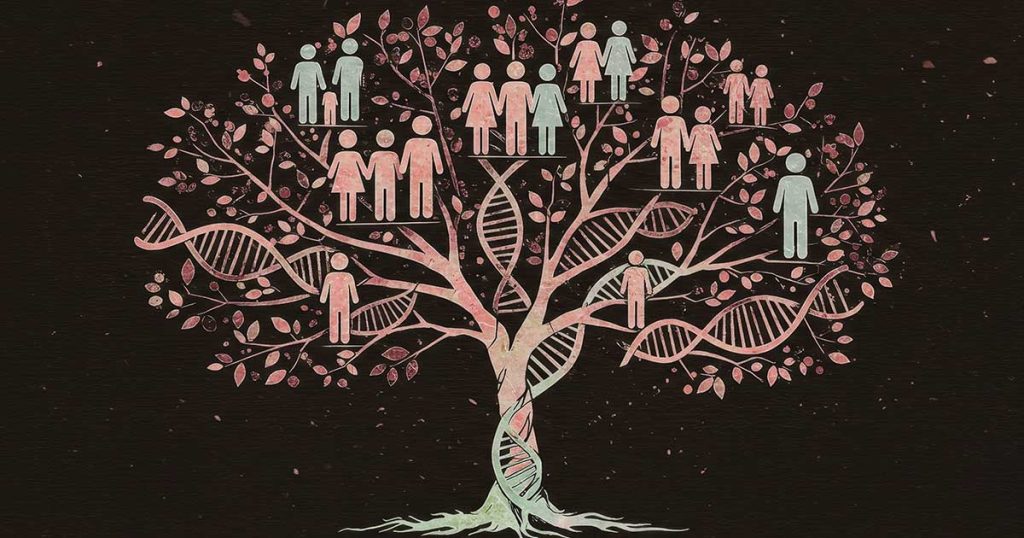
The identification of individuals at extreme risk for atherosclerotic cardiovascular disease (ASCVD) and sudden cardiac death (SCD) has transitioned from a reliance on population-based probability models to a more granular, individualistic assessment of genetic architecture. Central to this transition is the “gene dosing” model of inheritance, which provides a quantitative framework for understanding how the accumulation of pathogenic alleles within a family unit correlates with the temporal onset of clinical disease.
Is Vegetarian Longevity a LIE?

If you’ve heard that “plant-based eating helps you live longer,” you’re not wrong—but it’s not the whole story. The best evidence suggests something more interesting: the diet that helps you most at 50 may not be the same diet that helps you most at 90.
Is Your Heart Older Than You Are? The Science of Turning Back the Cardiovascular Clock

The Hook: Deconditioning vs. Aging Many of us view the heart’s decline as an inevitable slide into obsolescence, but the reality is more hopeful. The heart is not a ticking time bomb of decay; it is an adaptable muscle waiting for the right stimulus. The landmark Dallas Bed Rest and Training Study proved that just 20 days of total inactivity aged the hearts of 20-year-olds by more than 30 chronological years.